
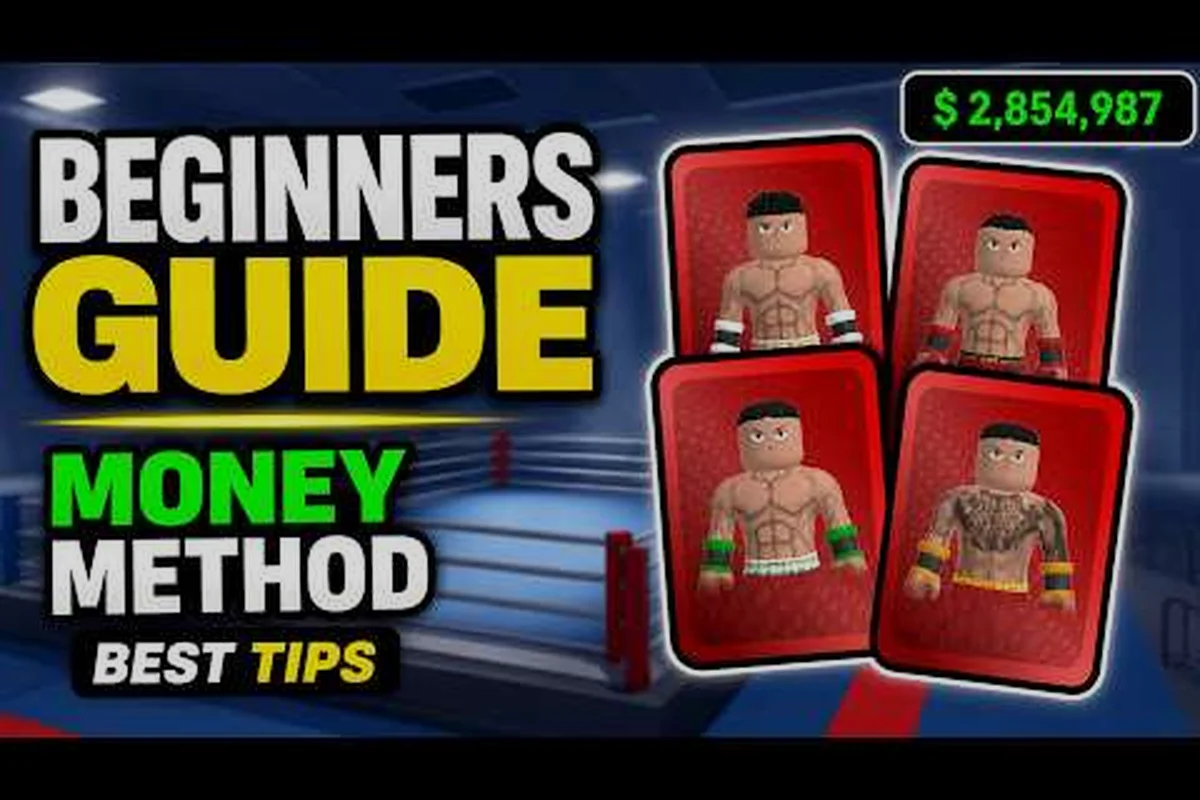
The Coach a Fighter complete guide breaks down everything you need to dominate the Roblox gym scene, from your first tutorial session to your first league promotion. This Coach a Fighter guide covers the 250+ collectible fighter cards, the three core stats, and the exact training loop that separates winning gyms from struggling ones. Whether you just redeemed the Release code or you are already scouting your first NPC opponent, this Coach a Fighter walkthrough gives you the roadmap to build a roster that wins consistently.
Coach a Fighter Complete Guide: Core Mechanics and Rarity System
Before you spend a single coin on card packs, you need to understand the seven-rarity fighter system that shapes every decision in this game. According to the official Coach a Fighter Roblox page, the game revolves around collecting fighter cards, training their stats on gym machines, upgrading your facility, and watching auto-battled matches unfold. The rarity tiers run from Common all the way up to Exotic, and each tier dramatically influences a fighter's base stats and growth potential.
The three main stats you will train are Strength, Dexterity, and Range, and each one plays a distinct role in how your fighter performs during auto-battles. Strength determines raw damage output, Dexterity affects attack speed and dodge chance, while Range controls how effectively your fighter lands hits from a distance. Because every match resolves automatically, your job as coach is to build the best possible fighter before the bell rings.
| Rarity Tier | Base Stat Multiplier | Training Efficiency | Pack Drop Rate |
|---|---|---|---|
| Common | 1.0x | 100% | Highest |
| Uncommon | 1.15x | 110% | High |
| Rare | 1.3x | 120% | Medium |
| Epic | 1.5x | 135% | Low |
| Legendary | 1.75x | 150% | Very Low |
| Mythic | 2.0x | 170% | Extremely Low |
| Exotic | 2.5x | 200% | Near Zero |
This rarity table shows why your early game choices matter so much, because a Legendary fighter with a 1.75x stat multiplier will outclass a Common fighter even if both receive identical training sessions. However, you should not obsess over pulling the rarest cards immediately, since the drop rates for Mythic and Exotic tiers are so low that chasing them early will drain your cash reserves. Instead, focus on building a balanced roster of Rare and Epic fighters that you can train efficiently while you save up for better packs later.
Understanding the Three Core Stats for Match Success
The Strength stat governs how much damage your fighter deals per landed hit, making it the most straightforward stat to prioritize when you want quick wins against weaker NPCs. Dexterity influences both attack speed and evasion, which means a high-Dexterity fighter can land more hits per exchange while dodging incoming attacks more frequently. Range determines your fighter's effective attack distance, and it becomes especially important when you face opponents who prefer to keep their distance during auto-battles.
Community reports from the Sportskeeda Coach a Fighter codes article confirm that these three stats are the only ones that matter for match outcomes, so you should never waste training sessions on anything else. Each gym machine targets one specific stat, and you will need to rotate between them based on your fighter's weaknesses and your upcoming matchups. A balanced fighter with decent scores in all three stats will outperform a one-dimensional powerhouse in most situations, because the auto-battle engine rewards versatility.
Coach a Fighter Walkthrough: Your First Hour Step by Step
The opening sequence in this Coach a Fighter walkthrough follows a predictable pattern that you can optimize from the very first minute. You start with the tutorial, which teaches you the basic gym mechanics and introduces you to your first fighter card, and then you immediately gain access to the Release code that gives you free rewards. Redeeming this code before your first purchase is critical, because the bonus currency lets you buy your first card pack without dipping into your starting cash reserves.
According to the Coach a Fighter beginners guide video by Radex Tips, the first two hours should focus on completing the tutorial, redeeming the release code, picking your starter fighter cards, and training around ten sessions before entering your first NPC match. This structured approach ensures that you do not waste early resources on fighters that will be replaced within the first hour. The video also emphasizes that your starter fighter selection matters more than you might think, because you will rely on these cards for your first several matches.
| Step | Action | Time Investment | Reward |
|---|---|---|---|
| 1 | Complete tutorial | 5 minutes | Starter fighter card |
| 2 | Redeem Release code | 1 minute | Bonus cash + pack |
| 3 | Open first card pack | 2 minutes | 3-5 new fighter cards |
| 4 | Train 10 sessions | 10 minutes | Stat boosts on fighters |
| 5 | Enter first NPC match | 3 minutes | Match rewards + cash |
| 6 | Upgrade gym machine | 2 minutes | Better training efficiency |
| 7 | Challenge second NPC | 3 minutes | League progress |
This seven-step sequence forms the backbone of your opening strategy, and you should follow it in order to maximize your early efficiency. The training sessions you complete before your first match are not wasted, because even Common fighters benefit from stat boosts that carry over into later matches. Once you complete this opening loop, you will have a solid foundation for building your first competitive roster and climbing the early leagues.
Launch Code Redemption Timing: How 500 Free Coins Fund a First-Day Facility Upgrade
The Release code is your single most valuable early-game asset, because it provides free currency and potentially a free card pack that jumpstarts your collection. You should redeem it immediately after finishing the tutorial, before you spend any of your starting cash on gym upgrades or card packs. This order matters because the free rewards effectively double your starting resources, giving you more flexibility in your first purchasing decisions.
Players who skip this step often find themselves struggling in their first few NPC matches, because they lack the fighter depth that the bonus pack provides. The code itself is case-sensitive, so make sure you enter it exactly as it appears on the official game page or in community guides. After redeeming, check your new fighters and identify which ones have the highest rarity, since those will become your training priorities for the next hour.
Coach a Fighter Guide: Training Efficiency and Stat Allocation
Training efficiency is the hidden multiplier that determines how quickly your fighters improve, and it depends on both the rarity of the fighter and the level of your gym machines. A Common fighter trains at 100% efficiency, while an Exotic fighter trains at 200% efficiency, which means your rarest cards gain stats twice as fast from the same number of sessions. This efficiency gap compounds over time, so a Mythic fighter trained for an hour will vastly outperform a Common fighter trained for the same duration.
Your gym upgrades directly affect training output, because each upgrade level increases the stat gain per session for all fighters using that machine. According to community testing, upgrading a machine from level 1 to level 2 provides roughly a 20% boost to training gains, and this percentage increases with each subsequent level. The key insight is that gym upgrades multiply your training output across your entire roster, while individual training sessions only improve one fighter at a time.
| Training Focus | Best For | Session Count | Result |
|---|---|---|---|
| Strength only | Glass cannon builds | 10 sessions | +30% damage output |
| Dexterity only | Evasion builds | 10 sessions | +25% attack speed |
| Range only | Kiting builds | 10 sessions | +20% hit distance |
| Balanced split | All-rounder builds | 10 sessions | +10% to all stats |
| Strength + Dex | Aggressive builds | 10 sessions | +15% damage, +12% speed |
The training table above shows the different allocation strategies you can pursue, and each one suits a different playstyle and matchup approach. For your first few fighters, a balanced split is usually the safest choice because it prepares you for a variety of opponents without leaving obvious weaknesses. As you climb leagues and face more specialized opponents, you can respec your training focus to counter specific threats you encounter.
The Ten-Gym-Visit Lock-In: How Daily Training Sessions Commit You to a Starter Rare
Experienced players recommend dedicating your first ten training sessions on any new fighter to a single stat, because this creates a clear strength that wins early matches. The 10 session specialization rule works because the auto-battle engine rewards fighters with at least one dominant stat, while jack-of-all-trades fighters often lose close exchanges. Start with Strength for your first fighter, since raw damage output is the most reliable way to beat early NPCs.
After your fighter reaches a solid Strength score, switch to Dexterity to improve attack speed and survivability in longer matches. This two-stat approach gives you a fighter that hits hard and fast, which is usually enough to carry you through the first few leagues. You can add Range training later once you have a better understanding of the matchups you face regularly.
Coach a Fighter Complete Guide: Gym Upgrade Priority and Cash Management
Your cash economy revolves around a simple loop: win matches, earn rewards, invest in upgrades, and repeat. The gym upgrade priority determines how quickly you can train your fighters, and getting this order wrong will slow your progression significantly. Most players agree that upgrading your training machines should come before buying new card packs, because better machines improve every fighter you already own.
The first upgrade you should purchase is the Strength training machine, since it directly boosts your primary damage stat and gives you an immediate edge in NPC matches. After that, upgrade the Dexterity machine to improve your fighters' speed, and save the Range machine for later when you face opponents who keep their distance. This order reflects the general consensus from community reports that Strength and Dexterity matter more in early-game matchups.
| Upgrade | Cost Range | Priority | Impact |
|---|---|---|---|
| Strength machine | Low | 1st | +20% training gains |
| Dexterity machine | Low | 2nd | +20% training gains |
| Range machine | Medium | 3rd | +20% training gains |
| Card pack (basic) | Medium | 4th | New fighter cards |
| Card pack (premium) | High | 5th | Higher rarity fighters |
| Gym decoration | Variable | Last | Cosmetic only |
This upgrade priority table gives you a clear spending roadmap for your first few hours, and following it will maximize your return on every coin you earn. The card packs are tempting, but they offer random results, while gym upgrades provide guaranteed improvements to your entire roster. Once your machines reach level 3 or higher, you can start diverting more cash toward card packs to expand your collection.
Building a Money Engine Before Buying Card Packs
The most common mistake new players make is spending all their cash on card packs immediately, which leaves them with a collection of untrained fighters and no way to improve them. Instead, you should build a money engine by upgrading your gym machines first, then use the increased match rewards to fund your pack purchases. This approach creates a sustainable loop where your gym upgrades generate more match income, which funds more upgrades and eventually card packs.
According to community data, players who follow this strategy reach the third league roughly 30% faster than those who buy packs first. The reason is simple: trained Common fighters beat untrained Rare fighters in most matchups, because the stat gains from training outweigh the base stat advantages of higher rarity. Your goal in the early game is not to collect the rarest cards, but to build a roster of trained fighters that can consistently win matches and generate income.
Auto-Battle Match Tactics and Bronze League Promotion: A First-Week Walkthrough
The auto-battle system resolves matches automatically, but that does not mean your decisions do not matter. Your match strategy involves choosing the right fighter for each opponent, understanding the matchup dynamics, and knowing when to challenge stronger opponents versus grinding weaker ones. The auto-battle engine considers each fighter's stats, rarity, and training level, then simulates the fight based on those parameters.
Before each match, you can scout your opponent's fighter to see their stats and rarity, which lets you choose the best counter from your roster. A fighter with high Range can often beat a pure Strength fighter, because they can land hits before the opponent gets in range. Similarly, a high Dexterity fighter can dodge enough attacks to outlast a slower but harder-hitting opponent.
| Matchup | Winning Strategy | Losing Strategy |
|---|---|---|
| High Strength vs High Dex | Out-damage before dodges matter | Rely on slow heavy hits |
| High Range vs High Strength | Keep distance, chip away | Close the gap quickly |
| High Dex vs High Range | Close distance fast | Trade hits from range |
| Balanced vs Specialized | Exploit opponent's weakness | Try to out-stat them |
This matchup table shows the strategic depth behind the auto-battle system, and mastering these dynamics is the key to climbing leagues efficiently. You should always check your opponent's lineup before challenging them, because a bad matchup can cost you a promotion attempt. When you face an opponent you cannot beat, grind weaker NPCs to earn more cash and train your fighters further before retrying.
Winning Your First NPC Matches with Smart Strategy
Your first few NPC matches are designed to be winnable, but only if you train your fighters properly beforehand. The NPC rotation features progressively stronger opponents, so you should not skip ahead to the hardest available match just because it offers better rewards. Instead, fight the weakest opponent you can beat consistently, then move up the ladder as your fighters improve.
Community reports indicate that most players lose their first match because they enter with untrained fighters, not because the opponents are too strong. Take the time to complete at least ten training sessions on your best fighter before your first match, and you will see dramatically better results. Once you win your first few matches, the reward income will fund your gym upgrades and start the positive feedback loop that carries you through the early leagues.
Coach a Fighter Guide: Common Mistakes and Progression Tips
Every new player makes mistakes in their first few hours, but understanding the most common ones will help you avoid wasting precious resources. The biggest mistake is neglecting gym upgrades in favor of card packs, which leaves your fighters weak and untrained. The second biggest mistake is spreading your training too thin across your entire roster, when you should focus on your best two or three fighters.
Another common error is challenging opponents that are clearly above your fighters' level, which results in lost matches and wasted time. You should always check the opponent's stats before challenging, and only fight when you have a reasonable chance of winning. Finally, many players forget to redeem new codes as they become available, which means they miss out on free rewards that could accelerate their progression.
-
Focus your training on your two highest-rarity fighters, not your entire roster
-
Upgrade gym machines before buying card packs in the early game
-
Scout every opponent before challenging them to avoid bad matchups
-
Redeem all available codes as soon as they are announced
-
Save premium currency for guaranteed upgrades rather than random packs
These tips form the core of the Coach a Fighter guide philosophy: build a solid foundation before expanding your collection. The players who climb leagues fastest are not the ones with the rarest cards, but the ones who train efficiently and manage their cash wisely. If you want a more detailed breakdown of your opening moves, check out the Coach a Fighter starting guide for a structured approach to your first session.
Avoiding Common Early Game Pitfalls
The early game pitfalls in Coach a Fighter are predictable, and avoiding them will save you hours of grinding later. The most damaging mistake is selling or discarding your starter fighters, because they are often better than the Common cards you pull from early packs. Your starter fighters come with decent base stats and can be trained effectively, so keep them in your roster even after you acquire higher-rarity cards.
Another pitfall is ignoring the training energy system, which limits how many sessions you can complete in a given period. When you run out of energy, you cannot train your fighters, so you should plan your training sessions around your energy regeneration. Save your energy for your best fighters rather than wasting it on cards you will replace soon.
Coach a Fighter Supplementary Reads: F2P Budget Builds and Rookie Counter References for Week 1
Frequently Asked Questions
What is the best rarity tier to focus on in the early game?
Rare and Epic fighters offer the best balance of availability and performance in the early game, because they drop frequently enough to build a roster while providing solid stat multipliers. Legendary fighters are better but rare, so treat them as a bonus rather than a requirement. Focus on training your best available fighters regardless of rarity.
How do I get more training energy?
Training energy regenerates over time, and you can also earn bonus energy by leveling up your gym and completing certain achievements. The regeneration rate is roughly one energy per minute, so you can complete about ten sessions per hour. Plan your training sessions around your energy pool to maximize efficiency.
When should I start playing PvP matches?
You should wait until you have at least three trained fighters with solid stats before entering PvP matches, because human opponents are much harder than NPCs. Start with the lowest PvP league and work your way up as your roster improves. Losing PvP matches does not cost you anything, so treat them as learning experiences.
How many fighters should I train at once?
Focus on training two or three fighters at a time, because spreading your training across too many cards dilutes your progress. Your main fighter should receive the majority of your training sessions, while your backup fighters get enough to be viable in matches. Once your main roster is solid, you can expand to training more fighters.
What is the fastest way to earn cash in Coach a Fighter?
The fastest cash loop involves winning NPC matches consistently, then reinvesting your winnings into gym upgrades that boost your training efficiency. Higher-level gym machines produce stronger fighters, which win more matches and earn more cash. This positive feedback loop is the most reliable way to grow your economy in the Coach a Fighter complete guide.